
Your step-by-step guide to toilet training your child
December 10, 2014
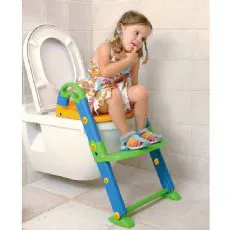
1. Choosing the right time: Toilet training should begin at a time that suits both mother and child. Don't rush into starting training before the child is ready.
The American Academy of Pediatrics advises that parents should not begin training if a baby is expected soon, or if there is instability at home due to moving to another house or the mother returning to her job, as these changes in the child's life make training more difficult and increase the likelihood of failure in the first attempt.
When signs of readiness appear in the child, the child should be helped and encouraged.
2- Teach the child to sit on the potty or toilet. Before your child can learn to use the potty or toilet, he needs to learn how to sit on them comfortably.
Initially, you can let your child sit on the toilet or potty with his clothes on to get used to the new situation.
Once your child is comfortable sitting on the potty, try having them sit on it without a diaper. Make potty training fun for your child by reading to them or watching television.
3. Be positive and calm. Learn to be calm and positive during this period. Give your child enough time to learn according to their ability. Don't compare your child to others, and don't worry if it takes them longer than others.
Children's growth and learning abilities vary and develop at different rates.
4- Get used to rewarding your child whenever he starts using the potty or toilet, or just starts showing interest in it. Encourage him gently and praise him.
Each time your child successfully uses the potty, praise them as much as you can. Praise and compliments will reinforce their behavior.
Some accidents and mistakes will happen, and they are part of the learning process. Try not to dwell on them or give them too much attention.
5- Maintain the routine. When your child gets used to sitting on the potty, try to encourage him to sit two to three times a day.
Don't force your child to sit on the potty if they don't want to; this will be counterproductive. Try to schedule potty training after meals or when your child needs to have a bowel movement.
6- Transitioning from diapers to underwear. This transition is the most challenging. There will inevitably be accidents, so you must be physically and mentally prepared.
Accidents can continue to happen for up to a year, so don't worry. Remember that once you start using underwear, don't go back to diapers; this will only confuse your child.